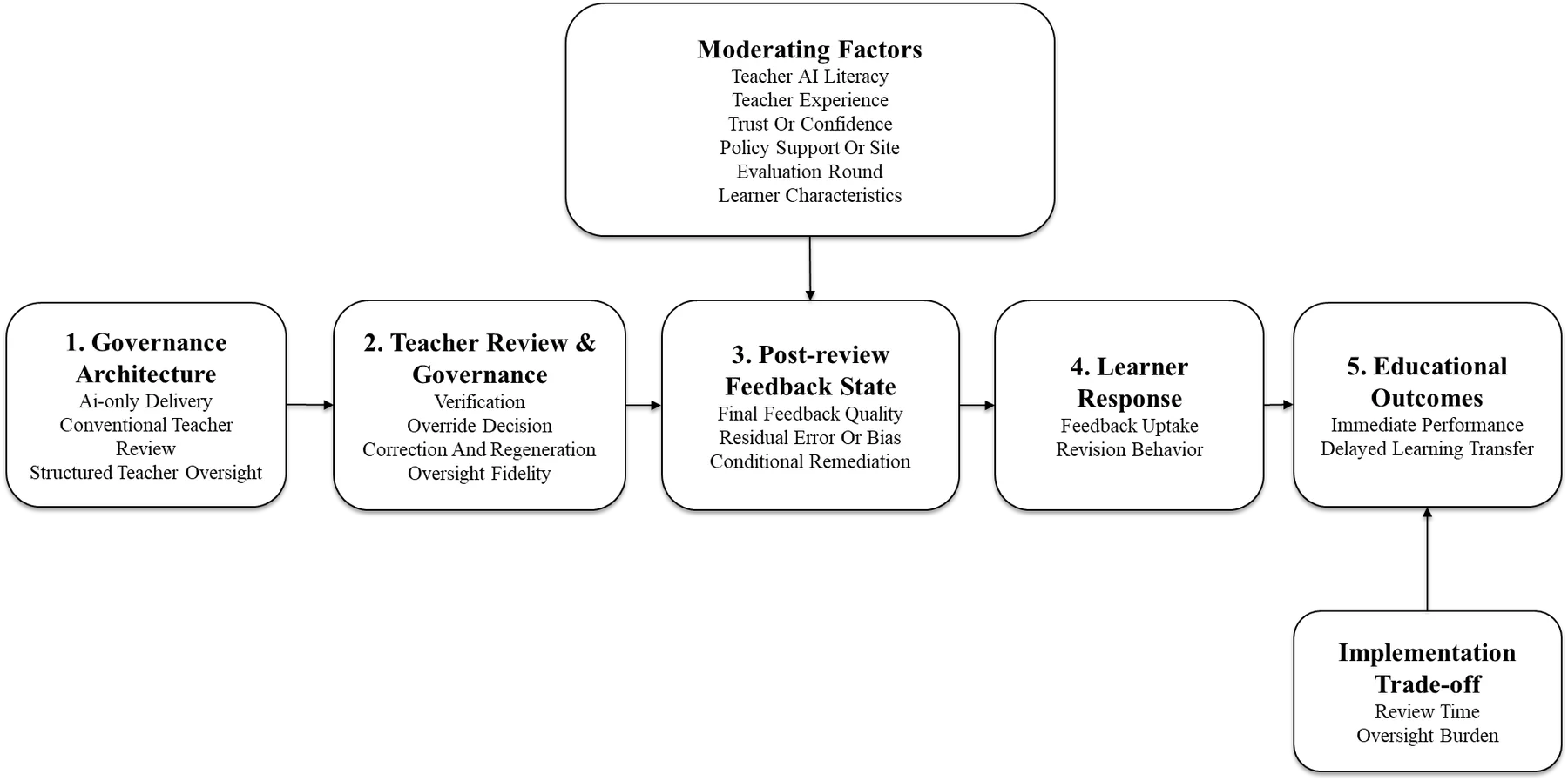
Generative artificial intelligence (GenAI) can provide quick formative feedback, but it is only effective if it is governed to recognize false or biased results while retaining valuable feedback. A synthetic multisite benchmark was used to analyze a total of 2,700 repeated records from 900 simulated students and 54 simulated teachers, across three different delivery methods: AI-only delivery, conventional teacher review, and structured teacher oversight. The main endpoint was delayed transfer, e
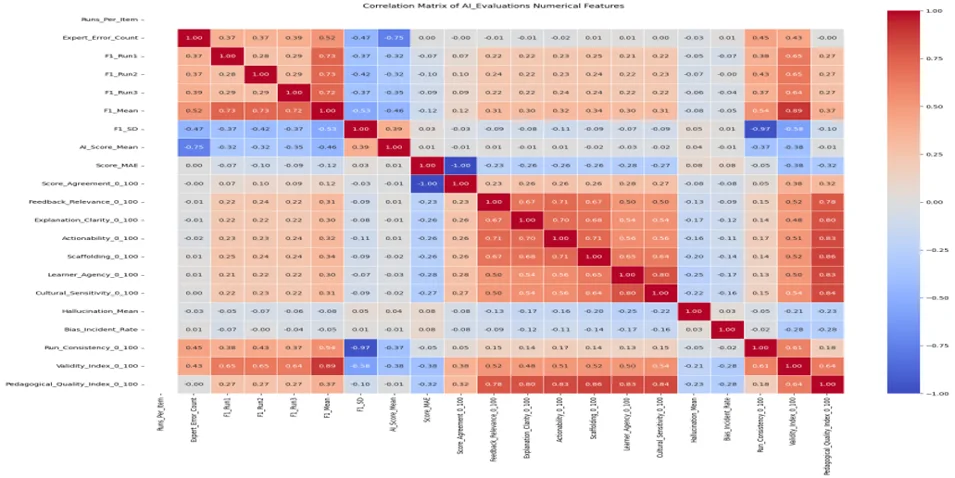
Generative artificial intelligence (GenAI) is increasingly being used in language assessment, formative feedback, tutoring, translation, and writing support, most assessments focus on accuracy, on user perception, or on short-term performance. This study creates a cross-national benchmark for assessing responsible AI in four areas: validity, equity, privacy and pedagogical value. The analysis was based on a secondary data set made publicly available and comprising 960 analysis-ready learner-prof
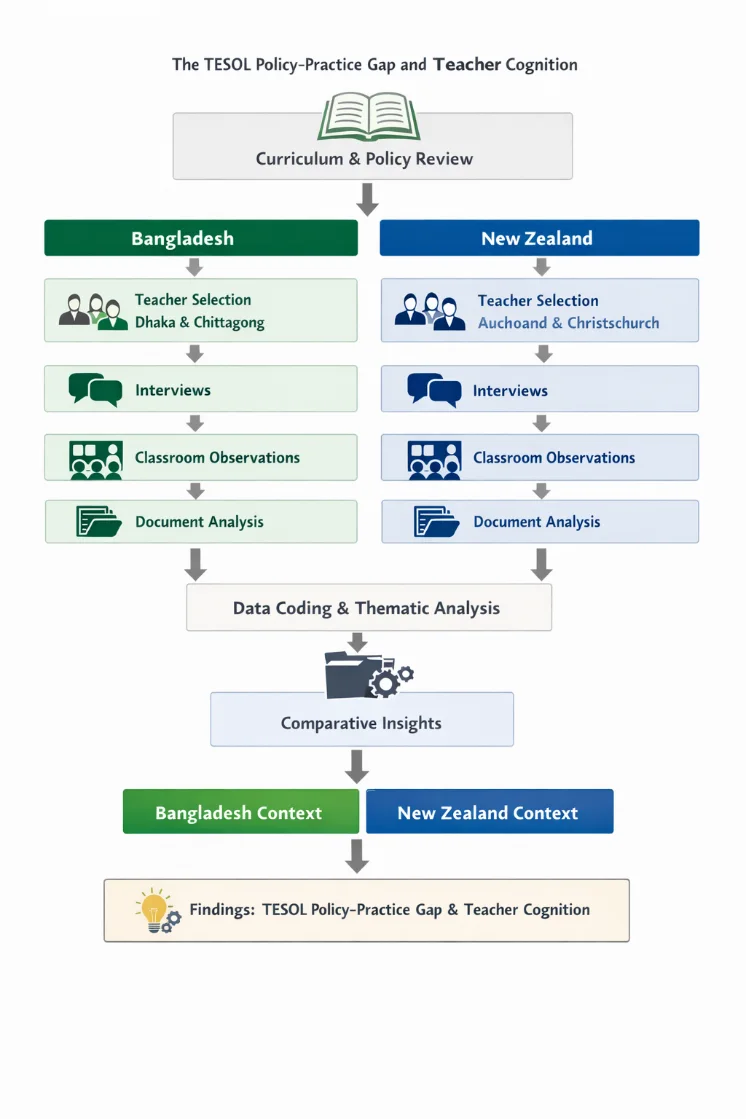
This study investigates the policy-practice gap associated with TESOL through the case of Bangladesh and New Zealand by analyzing the influence of teacher thinking, curriculum congruity, and situation. A comparative study indicates that there is a considerable difference in teacher knowledge and classroom practices. In Bangladesh, teacher policy knowledge was high among only 28 per cent of teachers, teachers had 53 students on average per class. There were limited resources and an insufficient s
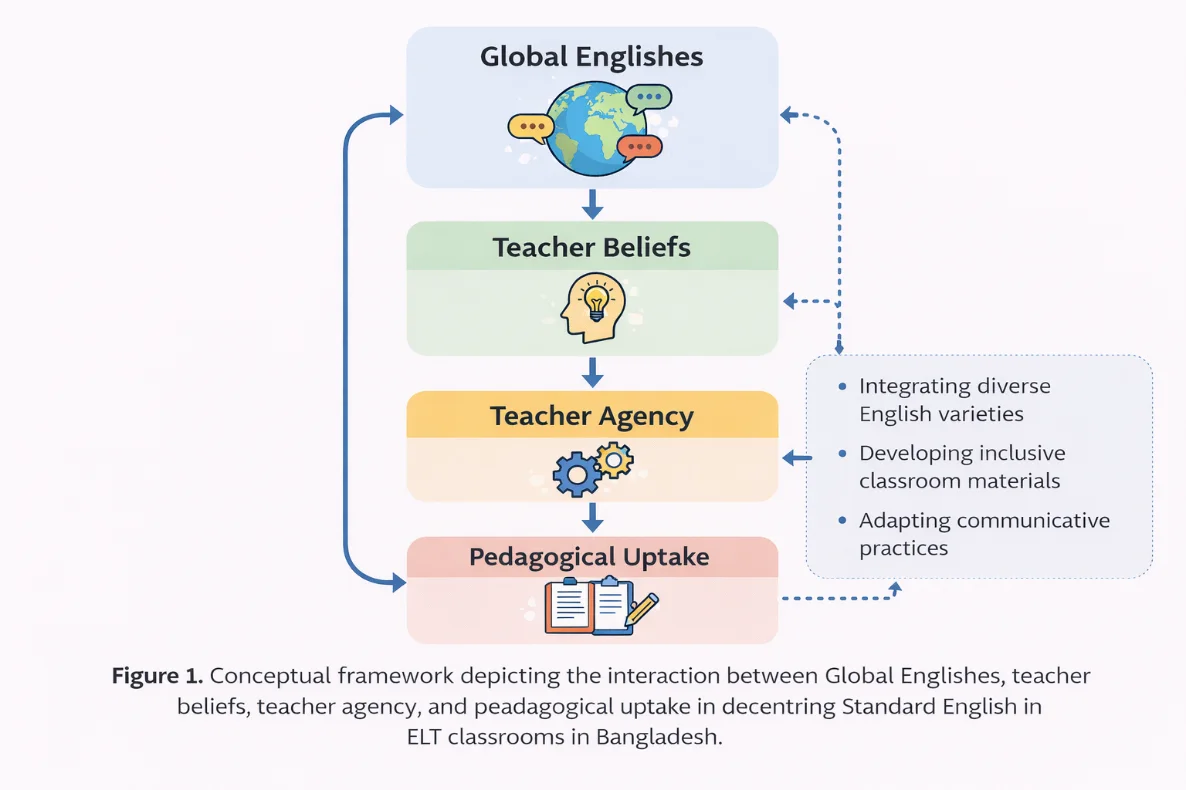
The spread of English in the world has led to the threat of the traditional domination of the Standard English in teaching the English language (ELT). This paper examines the views of English language teachers in Bangladesh towards Standard English and the ways they use Global Englishes perspectives in their classrooms. A qualitative exploratory research design was used to gather information on 150 English language teachers in the secondary or university level in Bangladesh. The beliefs of teach
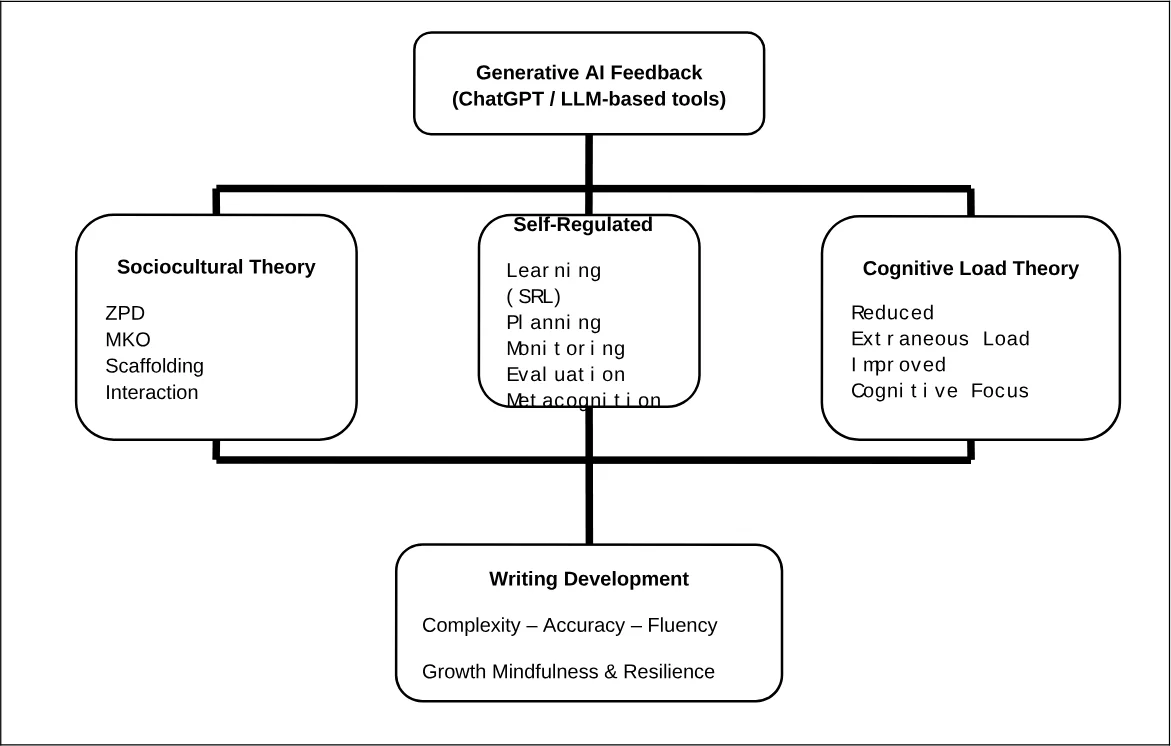
Generative artificial intelligence (GenAI) has transformed the process of feedback and interaction with learners in the second language (L2) writing teaching process. This research examined how AI-based feedback has impacted the improvement of L2 writing in small-class learning setting, both concerning the language performance and psychological performance. Mixed-method case study was used in the given study and the sample included 10-15 learners of intermediate level, who were separated into an