Generative artificial intelligence (GenAI) has transformed the process of feedback and interaction with learners in the second language (L2) writing teaching process. This research examined how AI-based feedback has impacted the improvement of L2 writing in small-class learning setting, both concerning the language performance and psychological performance. Mixed-method case study was used in the given study and the sample included 10-15 learners of intermediate level, who were separated into an experimental group (AI-generated feedback) and a control group (traditional instructor feedback). Complexity, accuracy, and fluency (CAF) indices were used to assess the writing performance, and mindfulness, self-efficacy, and resilience scales were used to assess the psychological changes. The results showed that those learners that interacted with AI responses showed significantly higher levels of grammatical accuracy, writing fluency, and revision engagement than those who were not in the control group. The qualitative analysis also showed an improved metacognitive awareness and confidence in learners when they were engaged in the revision process. The findings indicate that AI feedback may be used together with instructor feedback and assist in more personalized and reflective L2 writing development.
Research ArticleSecond Language WritingIn progress
Beyond Blended Learning: Effects of AI-Driven Feedback on L2 Writing Development
Correspondence: saymasayma1290@gmail.com
Abstract
Keywords AI-driven feedbackL2 writing developmentself-regulated learningcomplexity accuracy fluency (CAF)generative artificial intelligence
1. Introduction
Generative artificial intelligence (GenAI) in second language (L2) writing instruction has brought about a paradigm shift in pedagogy, especially as it relates to self-directed learning (SDL) and self-regulated learning (SRL). SDL as an educational approach that focuses on learner autonomy and metacognitive control is steadily being recognized as a crucial element of language education in the 21 st century. The changing circumstances in which learners should focus on their iterative revision and reflection substantiate its topicality in the acquisition of deeper linguistic growth and proficiency in writing (C. Wang et al., 2024). In this regard, with the development of large language models (LLMs), such as ChatGPT, an unprecedented potential of scaling personalized, real-time feedback is available, which is a long-standing problem in the context of traditional L2 writing classrooms. This problem is presented by the limitations of the time and mental capacity of instructors, especially in a small-classroom context where individual attention is frequently insufficient (Abdi Tabari et al., 2025; Y. Zhang, 2024). Although the traditional models of blended learning have their merits, they do not usually offer the specifics and instant responsiveness required to support the learners as they go through the intricate cognitive and psycholinguistic processes of writing composition (R. Wang et al., 2026).
In a sociocultural perspective, AI-based feedback systems are consistent with the notion of the Zone of Proximal Development (ZPD) introduced by Vygotsky, which sequentially serves as an adaptive cognitive scaffold based on dynamic interactions with more knowledgeable other subjects (MKOs). Such systems contain context-sensitive interaction and this allows development of learners since they interact with them on a more profound level compared to the traditional grammar check or pre-programmed digital tutor. In contrast to the concept of static feedback, GenAI tools are interactive and can communicate with the learner through the dialogue that does not only correct a superficial error but also encourages tactical suggestions on how to revise the text and enhance lexical complexity (Barrios-Beltran, 2025; Kumar & Thiyagarajan, 2024; Z. Zhang et al., 2025). Such AI-mediated interaction is especially useful in developing SRL, during which learners develop goals, track their progress, and make adjustments independent of the strategy (Amani & Bisriyah, 2025; P. Wang et al., 2025). An empirical literature indicates that AI-mediated feedback integration positively influences grammatical accuracy, sentence variety, and lexical selections, especially when implemented as the supplementary technology to human guidance and not as an alternative (Khodabandeh, 2026; Z. Zhang et al., 2025).
Nevertheless, AI feedback is not only effective in linguistic enhancement. New research indicates the paramount affective facets of AI-based learning theories and deviates to the importance of AI in fostering growth mindfulness and resilience; attributes that are significant to long-term writing growth. The AI tools can address performance anxiety and risk-taking behavior in the context of small-class settings, where interpersonal relationships and individual attention are the primary pedagogical characteristics (Chen & Shim, 2026; Lai, 2025). This kind of psychological safety creates a growth-oriented attitude, according to which learners believe that mistakes are not failures but rather a chance to revise and make an improvement (Chen & Shim, 2026). Furthermore, AI feedback allows learners to become aware of metacognition because of the quick loops of writing, getting feedback, and editing. This process of internalization of evaluative criteria helps in developing the capacity to engage in the development of autonomous writing and in self-improvement as a continuous process among learners (P. Wang et al., 2025; Xu, 2025).
Although there are prospective benefits of AI-generated feedback, there are a number of essential questions as to its relative effect on L2 writing performance, namely, in terms of such major writing parameters as complexity, accuracy, and fluency (CAF). Other studies indicate that AI-based feedback may produce a similar (or even more significant) increase in grammatical accuracy than the one provided by traditional instructors (Abdi Tabari et al., 2025; Z. Zhang et al., 2025), although some recommend against excessive dependence on automated systems. These papers indicate that AI tools may have limitations, especially in the treatment of higher-order discourse features of coherence, argumentation, and rhetorical nuance (Solak, 2024; Tang, 2024). This issue is also complicated by the trade-off hypothesis of L2 writing according to which it might be unlikely to make simultaneous improvements in all the dimensions of the CAF. The type of the feedback provided: by AI, or by human teachers, therefore, can affect the aspects of the writing development prioritized accordingly (MacFarlane & Spring, 2024). The discussion of AI feedback in relation to the normal classroom practice is of importance in understanding the complexes in the interaction of AI feedback and traditional pedagogical practices in small and small-scale classroom settings.
This research will fill these gaps in the literature with the purpose to examine the interactions between AI-provided feedback and the linguistic results as well as the cognitive-affective mechanisms of L2 writing formation in the small-class teaching settings. This study aims to deliver a subtle perspective of how GenAI has contributed to the development of self-regulated and resilient L2 writers by concentrating on grammatical accuracy, growth mindfulness, resilience, and the lines of CAF dimensions. Not only these authors are armed with increased linguistic skills, but are also ready to respond to the challenges of academic and workplace communication with a solid foundation of profound and independent involvement in the writing process. This piece of research finds its place among the accumulating body of literature related to AI-enhanced pedagogy in language learning and serves as an insight into how the AI feedback systems can be harnessed to foster the cognitive and affective aspects of writing proficiency.
2. Literature Review and Theoretical Framework
The emergence of generative artificial intelligence (GenAI) has altered the teaching of writing a second language (L2) immensely due to its rapid evolution. Over the past years, the use of large language models (LLMs) like ChatGPT has become a more widespread part of the language learning environment with the purpose of aiding the drafting, revision, and feedback of language learning tasks. In the context of L2 writing pedagogy, feedback has been identified as one of the most effective mechanisms of enhancing the writing proficiency of learners in that it shapes the linguistic and rhetorical proficiency. Traditional feedback models, however, which are mostly teacher centered, are usually limited to practice, especially in small classes where instructors have to compromise between the time they can spend individually attending to students and time spent instructing them (Kumar & Thiyagarajan, 2024). The development of the AI-based feedback systems thus presents a potential remedy by offering an immediate, scalable and individualized feedback to the writing of learners. The process of learning about the effects of such feedback on the development of L2 writing needs a theoretically integrated system to explain the cognitive, sociocultural, and metacognitive processes by which writing is learned.
2.1 AI-Assisted Feedback in L2 Writing Development
There is an increasing amount of literature that examines the use of automated and AI-based feedback system in language learning. The previous automated evaluation of writing (AWE) programs, including Criterion and Grammarly, were created to identify grammatical and mechanical mistakes. Though these systems proved average in enhancing the accuracy on the surface, they were widely criticized to be unable to turn to higher-order writing skills such as coherence, argument development, and rhetorical organization (R. Wang et al., 2026). Recent developments in GenAI, in contrast, have made it possible to provide learners with a more interactive feedback mechanism where they can be provided with explanations and suggestions, as well as contextual revisioning via natural language dialogue.
Empirical research indicates that grammatical accuracy, lexical diversity, and syntactic complexity of L2 writing tasks could be greatly improved with the help of AI-based feedback (Y. Zhang, 2024). By using conversational AI tools, learners find themselves involved in the processes of creating several drafts until they reach the final version where the feedback is also obtained and analyzed immediately. This fast feedback mechanism helps in constant revision as well as motivating the learners to experiment with different linguistic structures. Studies also show that AI-mediated revision systems can facilitate a more thorough interaction with language forms since the learners will as actively discuss the proposed modifications as they will accept corrections (C. Wang et al., 2024).
Nevertheless, another significant limitation of AI feedback is also mentioned in the literature. Various researchers warn that although AI systems are effective at detecting grammatical mistakes, they can be less effective at recognizing finer elements of discourse structure, argumentation, and genre-related norms (P. Wang et al., 2025). Furthermore, excessive dependence on the automated recommendations can decrease learners working independently without problems unless they use AI tools critically. These results imply that AI feedback is to be incorporated into the instructional practice as a supportive tool and not as the substitute of the teacher guidance.
2.2 Sociocultural Theory and AI as a Mediational Tool
Sociocultural Theory gives a significant conceptual insight to the study of the pedagogical role of AI feedback in writing development. Vygotsky believes that social interaction and cultural tools mediate learning and help in developing cognition. The most important concept of this framework is the Zone of Proximal Development (ZPD) that can be defined as the difference in what students can do by themselves and what they can do with the help of a more knowledgeable other (MKO) (Kumar & Thiyagarajan, 2024).
Teachers and peers are the MKOs that are normally used in the traditional classroom setting to scaffold the writing tasks. As intelligent technologies emerge, though, it is also possible to introduce digital tools as a form of mediational resources that can be expanded to offer instructional support even when a teacher is not present. The AI-based feedback systems can also be used as adaptive MKOs because they provide personal guidance when writing. In a conversational approach, learners are also given explanations, recommendations, and hints that assist learners to refine linguistic options, and enhance textual coherence (R. Wang et al., 2026).
Generative AI, in contrast to the more inert AWE systems, may be involved in dialogic interaction with humans, which is similar to human tutoring interaction. This interactive functionality can be used to give responsive scaffolding through AI tools by matching the developmental readiness of the learners. In this regard, AI mediated feedback enlarges the ZPD into digital mediated learning environments where feedback is available at all times throughout the drafting and revision process (C. Wang et al., 2024). Extended scaffolding is also especially helpful in the context of small class settings when the teacher is not always able to deliver an immediate individualized feedback.
2.3 Self-Regulated Learning in AI-Supported Writing Environments
Whereas in sociocultural theory, emphasis is laid on the external mediation, Self-Regulated Learning (SRL) theory concerns the internal ability of the learner to control the processes of cognitions and motivation in the process of learning activities. SRL views learning as a cyclic procedure comprising of three main stages namely: planning, monitoring and evaluation (Amani & Bisriyah, 2025). Effective L2 writers use these processes in generating ideas, structuring of the argument, drafts, and evaluating the effectiveness of the written texts. SRL can be improved with the help of AI-driven feedback system that will allow learners an opportunity to participate in the process of reflective revision. Instead of merely fixing the mistakes, generative AI tools can prompt learners to consider other linguistic structures, consider feedback recommendations, and improve their approach to writing. This exchange promotes metacognitive awareness, which allows a learner to track his/her progress and manipulate writing strategies on his/her own (Lai, 2025).
According to recent studies, AI tools are commonly applied by students at various writing process stages. At the planning phase, AI can be applied to brainstorm ideas or map out arguments. AI will help to check the sentence structure, coherence, and words during the drafting process. During the revision phase, the learners review the general clarity and persuasiveness of their texts based on AI-generated recommendations (Amani & Bisriyah, 2025). With the help of such activities, AI is transformed into a metacognitive partner, which will assist learners in control over their own writing progress.
In addition, AI-enabled environments can also affect affective components of SRL such as writing self-efficacy and resilience. Since AI feedback is non-judgmental and available, learners might feel more at ease in the experiment with language and rewrite their texts several times. This environment has the potential to instill a growth ethos where one views mistakes as a chance to better things as opposed to a sign of failure (Lai, 2025). These psychological conditions are of particular significance when it comes to L2 writing, because learners tend to feel anxious about language correctness and grading.
2.4 Cognitive Load Theory and Writing Performance
Cognitive Load Theory is another theory that can be used to explain how AI feedback can help with writing development. The task of writing in the second language is cognitively challenging since learners have to coordinate various processes, such as the development of ideas, grammatical encoding, choice of vocabulary, and structuring of the discourse. The Cognitive Load Theory states that the capacity of working memory is capped and in case cognitive load is too much; learning becomes impaired (MacFarlane & Spring, 2024).
L2 writing activities often present a significant cognitive load to the learner as they have to focus on the linguistic expression and content creation at the same time. This load can be reduced using AI feedback to automatically identify low level linguistic errors. Whenever grammar, spelling, and structural problems are identified automatically, students can devote more cognitive resources to more advanced functions like argument building and discourse structuring (Y. Zhang, 2024).
This lowering of extraneous cognitive load enables learners to undertake the valuable process of revision as opposed to wasting time detecting and diagnosing language mistakes. It is also true that therefore immediate feedback reduces uncertainty regarding which type of errors occur allowing learners to revise in a more effective manner. Consequently, AI-based writing spaces can be used to enhance interaction with writing activities and encourage more effective learning results (Z. Zhang et al., 2025).
2.5 Research Gaps in AI-Supported L2 Writing
Although the use of AI tools in language education is growing over time, there are still a number of gaps in the literature. To begin with, the majority of the studies have paid more attention to linguistic, including grammar correctness or lexical variety as a result, and comparatively no attention has been paid to affective and psychological variables that drive the process of writing in the long run. There are also constructs like growth mindfulness and resilience that influence the manner in which learners react to the feedback and continue to write despite writing difficulties which have not been thoroughly explored in AI-assisted learning context (Lai, 2025).
Second, a large number of studies into AI feedback have been done at scale in online courses or in an experimental laboratory. These environments are considerably different in comparison to the small and face-to-face classroom created environments where the teacher-student interaction, student cooperation, and classroom culture play a role in learning processes (Chen & Shim, 2026). It is necessary to know how AI can be incorporated into conventional instruction in these settings to create pedagogically effective strategies of its implementation.
Third, the suggested research topic has been hardly explored in the literature on the impact of AI-based feedback on the complexity, accuracy, and fluency (CAF) of L2 writing. The trade-off hypothesis suggests that as one aspect of writing performance increases other areas are likely to suffer in terms of performance because of the scarcity of cognitive resources. It is thus not clear how AI feedback will encourage balanced growth on these dimensions or an unequal growth on specific aspects of writing performance (MacFarlane & Spring, 2024).
2.6 Integrated Theoretical Framework
Based on the comments of Sociocultural Theory, Self-Regulated Learning theory, and Cognitive Load Theory, the proposed study suggests a combined model of studying the effects of AI-generated feedback on L2 writing growth. In this framework AI feedback is a multidimensional learning support system that both facilitates sociocultural scaffold, facilitates metacognition and optimizes the allocation of cognitive resources.
In such mechanisms, AI-assisted feedback is likely to affect linguistic and psychological performance in writing in the L2. On the linguistic front, students can show the enhancement of grammatical correctness, text and writing fluency. At the psychological side, AI feedback can assist the growth-oriented attitude formation and resilience through the creation of supportive and iterative learning conditions.
It is through locating AI-facilitated feedback in this combined theoretical framework that the given research will contribute to a deeper insight into how autonomous, resilient, and rhetorically capable L2 students can be developed through the application of the generative AI tools in the small classes setting.
3. Methodology
3.1 Study Design
The study is a small-scale mixed-method qualitative-dominant case study that aims to explore the implications of AI-driven feedback on the development of second language (L2) writing. It has a research design that combines both quantitative and qualitative data because it aims to determine the multifaceted contribution of the feedback mechanisms to the linguistic performance and the psyche of the learners. Whereas quantitative measures allow demonstrating the change of the performance in writing, and psychological constructs, qualitative data allow exploring the experience, perception, and interaction of learners with the feedback process deeper.
The experiment is concerned with a comparative intervention model where AI-based feedback is reviewed with conventional instructor-based feedback. Through a comparison of the two strategies in the same learning context, the study will be able to determine the role of various feedback modalities on writing development and learner attitude. A small group enables close tracking of the individual learning processes and gives detailed contextual understanding of the interaction of the learners with feedback throughout the writing process.
The intervention process will last ten learning sessions, which will provide ample time to the learners to participate in the writing and revision process. This design can make both the temporary linguistic variation and the developing psychological reaction to the feedback.
3.2 Participants
Participants of the study are 10-15 middle-level L2 students studying in a language learning institute. The sampling was purposive and carried out on the basis of two main factors: (1) intermediate level of writing in English and (2) a desire to be involved in the entire course of the research.
The level of intermediate learners is chosen due to their relatively high level of linguistic competence in terms of their ability to write long written texts and, nonetheless, need guidance in terms of the systematic feedback to help them become more grammatically accurate and rhetorically sound. During this developmental age, feedback strategies are very significant in the development of writing strategies and confidence.
Participants were divided into two groups randomly to have equal representation of the levels of proficiency and reduce selection bias:
Experimental Group: Students in this category were delivered AI-driven feedback that had been developed using a generative AI system that could generate contextual tips in terms of grammar, coherence, argument development and structure.
Control Group: This group of learners obtain traditional instructor-based feedback, which involves written feedback and revision recommendations made by the course instructor.
Both groups performed the same writing assignments and attended the same instructional activities in such a way that feedback type is the key variable that affected learning outcomes.
3.3 Instruments
The paper is based on the use of multiple measurement tools in order to take both linguistic and psychological aspects of writing development.
Linguistic Assessment
Pre-test and post-test writing tests were used to measure L2 writing performance. The respondents were subjected to structured writing assignments, during which they are expected to write argumentative or expository essays within a given time frame.
Complexity, Accuracy, and Fluency (CAF) metrics were used to analyze performance in writing: they offer a multidimensional depiction of writing competence:
Complexity: assessed using the language aspects of length of the sentence, density of clauses, and variation of the syntax.
Accuracy: this is measured in terms of the percentage of clause errors and grammatical correctness.
Fluency: assessed by the amount of total words and the amount of writing completed in the given time frame.
These responses allow the comparison of the linguistic development in both of the feedback conditions in a systematic way.
Psychological Assessment
In order to study the psychological aspects of learning, three standardized survey tools were given out at pre and post-intervention.
Mindful Attention Awareness Scale (MAAS)
This scale is used to determine the level of awareness and attention ability in learners when performing learning activities. It gives an understanding of how learners can be kept in a state of cognitive engagements in the writing and revision process.
L2 Writer Self-Efficacy Scale
This tool is used to evaluate whether the learners have confidence in their skills in order to achieve success with the writing tasks as well as with planning of the ideas, building of sentences, and draft revision.
Foreign Language Learning Resilience Scale
This scale determines the ability of learners to continue learning a language regardless of challenges or frustrations. It also includes the emotional and motivational reaction of learners to writing challenges and feedbacks. All these tools, in combination, give us a holistic examination of the psychology that promotes the processes of writing.
3.4 AI Integration Procedure
The experimental group engaged in the writing and revision phases of the learning process with a generative AI feedback system. The AI tools were combined with the help of the structured prompts that provided detailed feedback on various dimensions of writing quality.
The following stages were used in each instructional session:
Writing Task: Completion Students write a draft essay on a response to a prompt on an academic or real-life subject.
Feedback Phase: The experimental group uploads their drafts to the AI tool, which gives feedback on grammar, lexical choice, sentence clarity, argument development, and structural organization. The instructor provides written feedback to the control group to bring to light the similarities in the writing performance.
Revision Phase: The students work on their drafts depending on the received feedback. The revision process motivates the learners to be active in regards to the suggestions, as well as reflect on their writing decisions.
Reflection Phase: The subjects are asked to complete short reflection prompts that are aimed at stimulating the critical analysis of the feedback that they were provided and the strategies that they were employing in the revision process.
The intervention was conducted over ten teaching sessions, whereby the learners were able to complete repetitive drafting, reviewing and revision cycles. This repetition is supposed to encourage closer interaction with feedback and help to keep on enhancing the writing performance.
3.5 Data Collection
There are various data sources to be used to have a holistic picture on the impacts of AI-based feedback.
Linguistic Data
Samples of writing were gathered at the start and end of the intervention period. The CAF metrics were applied to the analysis of these texts in order to assess the changes in the writing complexity, grammatical accuracy, and fluency.
Psychological Data
The participants responded to the MAAS, L2 Writer Self-Efficacy Scale, and Foreign Language Learning Resilience Scale at the beginning and the end of the intervention period. These surveys recorded cognitive engagement, writing confidence and emotional resilience improvement in the learners.
Qualitative Data
Semi-structured interviews were used to interview participants following the intervention in order to understand more about their learning experiences. Interviews were used to examine how the learners perceived the usefulness of feedback, their emotional responses to AI and instructor feedback, and how they approached the process of using feedback in revision. It is a combination of linguistic, psychological, and qualitative data that creates the entire picture of the impact of feedback on performance in writing as well as on the development of the learners.
3.6 Analytic Approach
The mixed analytical approach adopted in the study involves a quantitative statistical analysis of the data followed by a qualitative thematic interpretation.
Quantitative Analysis
The scores on pre- and post-test of CAF measures and psychological survey scales were compared to identify the changes during the intervention. Regarding normally distributed data, paired-sample t-tests were applied to compare pre and post scores of each arm in the study. In case of non-normality in the data, the corresponding non-parametric alternatives will be used. The comparison of the experimental and control groups enabled determining the differences in language improvement and psychological development related to AI-based feedback.
Qualitative Analysis
Thematic analysis was used to analyze the interview data and identify common patterns in how learners experience feedback. The thematic analysis will be targeted at the themes connected with:
Feedback-seeking behaviors
Metacognitive strategy use in revision
Emotional feedback reactions
Conceptions of AI and instructor feedback effectiveness
Qualitative analysis software like NVivo was used to code all the transcripts of interviews and will help in codifying qualitative data systematically and interpret it. The purpose of combining quantitative and qualitative results is to develop a holistic picture of how AI-based feedback influences language growth, cognitive and emotional involvement among learners in the writing process in L2.
4. Results
4.1 Quantitative Outcomes
To measure the effect of feedback type on writing development, pre-test and post-test writing samples were compared under Complexity, Accuracy, and Fluency (CAF) framework. The findings obtained showed that the writing performance in both groups was improved, but the experimental group with AI-based feedback showed larger improvements in all three dimensions of CAF than the control group with the instructor feedback. On complexity, AI feedback learners were found to write longer sentences with more diverse structures of the clause in the post-test writing activities. This freedom to experiment with the syntactic structures in the context of iterative revision cycles was seen to facilitate more advanced sentence structure. The percentage of error-free clauses rose more significantly in the experimental group to be more accurate. Short-term remedial advice allowed the learners to easily detect grammatical errors and make corrections in the later drafts. In terms of fluency, the experimental group wrote more words in the same time interval and this indicates that the learners gained confidence and efficiency in the process of writing to convey their thoughts.
Table 1. Pre- and Post-Test Comparison of CAF Scores
| Group | Complexity (Pre) | Complexity (Post) | Accuracy (Pre) | Accuracy (Post) | Fluency (Pre) | Fluency (Post) |
|---|---|---|---|---|---|---|
| Experimental (AI Feedback) | 12.8 | 17.6 | 0.62 | 0.83 | 178 | 241 |
| Control (Instructor Feedback) | 13.1 | 15.2 | 0.64 | 0.73 | 181 | 205 |
Table 1 shows that there was an improvement in both sets in both pre-test and post-test subsequent assessments but there was a positive and greater improvement in the experimental group in all CAF indicators. The level of complexity among the learners rose more significantly when they were exposed to AI-based feedback, which implied that the availability of instant recommendations led to exploration of syntactic constructions among the learners. The gains of accuracy were also more significant in the AI-assisted group, which means that the fast feedback enabled the learners to spot and correct grammatical mistakes more effectively. On the same note, the fluency increase also implies that students who got AI feedback could write more text within the same time limit indicating higher confidence in writing and efficiency. On the whole, the quantitative results indicate that AI-based feedback helped to achieve more significant changes in linguistic performance than instructor feedback, specifically grammatical correctness and writing fluency.
4.2 Psychological Gains
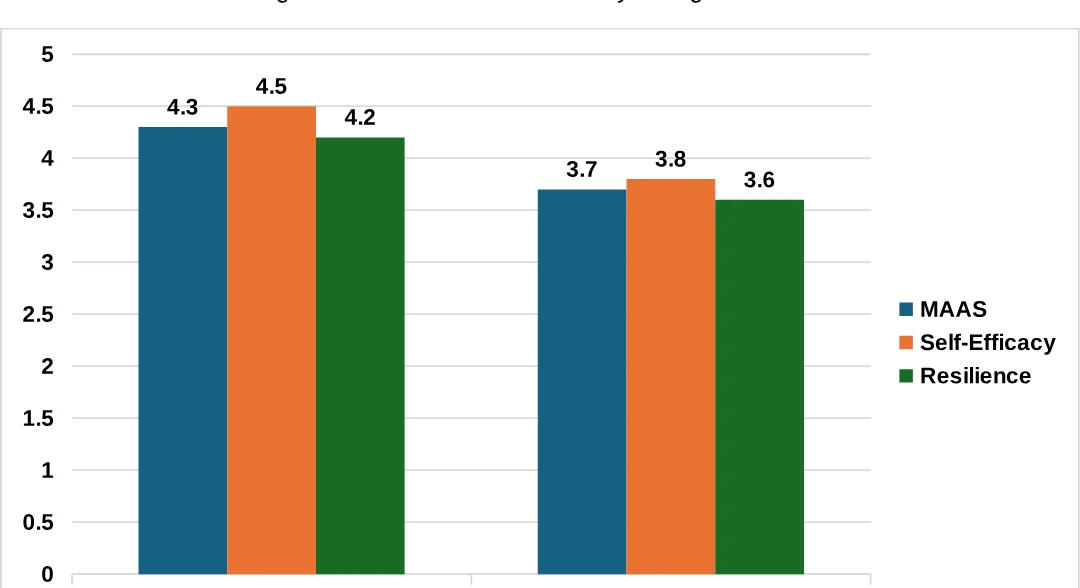
In addition to the linguistic results, the research revealed psychological changes that were related to the writing process. The pre- and post-intervention surveys showed significant changes in self-efficacy, mindful engagement, and resilience, and more specifically, learners in the experimental group showed significant changes.
Those learners who received AI feedback reported more of the writing self-confidence, which means that the more the participants were given the chances to edit their work, the more they felt competent. Likewise, the scores of the Mindful Attention Awareness Scale (MAAS) rose, which implied that learners were more attentive and reflective when performing writing and revision exercises. There was also an improvement in the resilience scores, which means that the participants were more ready to continue when faced with writing difficulties.
Figure 1 demonstrates that there are some psychological differences between groups.
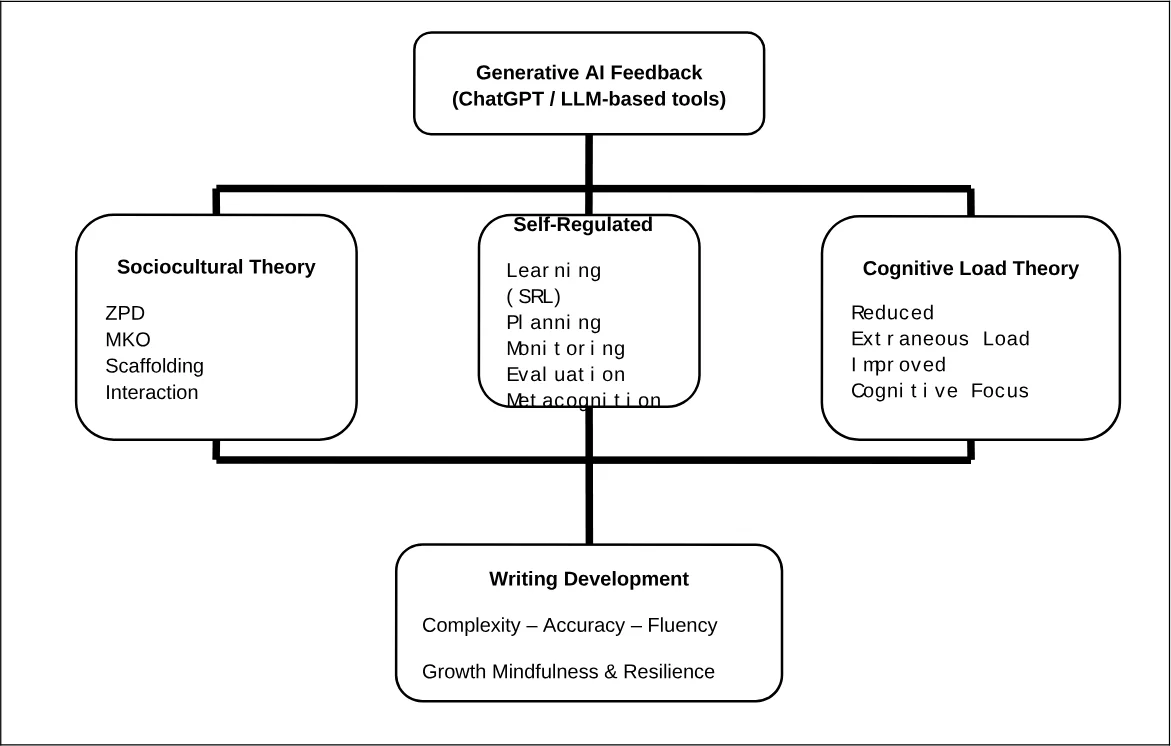
Figure 2 shows that the experimental group achieved higher scores in all the psychological variables than control group. The greatest change was in writing self-efficacy as learners who employed AI feedback expressed higher confidence regarding their writing skills to revise and improve their texts. The latter can be explained by the fact that feedback is readily available, and that a person stands a chance of testing their revisions without the fear of being graded by an instructor. The progress in mindful attention indicates that learners were more cognitively active when writing. The interactive aspect of AI feedback also seemed to stimulate the learners to be more concerned with their writing decisions and revision planning. The rise in the scores of resilience shows that the learners in the AI-assisted setting were more likely to persevere in writing difficulties. Non-judgmental feedback could have helped to minimize anxiety and provided the learners with the motivation to see errors as a way of learning. Collectively, these results indicate that the AI-based feedback effectiveness helped to enhance the language performance and to facilitate the positive psychological states of the ongoing writing progress.
4.3 Qualitative Themes
Interpretation of interview transcripts through thematic analysis of the data showed that there were three primary dimensions of learner experience: behavioral engagement, use of cognitive strategies, and affective responses.
Behavioral Engagement
The participants of the experimental group indicated that they regularly communicated with AI feedback when they are going through the revision process. Most learners mentioned that they had to go through AI suggestions several times and try various sentence structures before they completed their revisions. This iterative interaction resulted in more an active revision process than in the control group where revision was usually done once after instructor revising feedback. Some participants described how AI feedback immediate forced them to revise more frequently to get more engaged in their writing.
Cognitive Strategy Use
The interviews also manifested more metacognitive strategies especially among the students who were given AI feedback. The participants reported a high level of active control of grammatical correctness, assessment of changes in word usage, and the possibility of self-consideration of their position. Learners also often stated that AI feedback helped them to rethink their writing choices, which reinforced their power to control their writing strategies on their own. This implies that AI feedback played the role of scaffold to help develop self-regulated learning behaviors.
Affective Responses
Participants had both negative and positive emotional reactions to AI feedback. Most of the learners also indicated satisfaction with the promptness of corrections and explanations saying that prompt reply enabled them to sustain momentum when engaged in writing activities. Other participants, though, reported that there were times when they were frustrated with mechanical or repetitive feedback especially in cases where the suggestions were not quite representative of the meaning of their sentences. Nevertheless, the majority of learners said that AI feedback gave them confidence and lessened anxiety related to writing in a second language. On the whole, the qualitative results indicate that AI-assisted writing conditions facilitated active learning, reflection learning style, and emotional resilience, which facilitated the mentioned changes in writing performance.
5. Discussion
5.1 Interpretation of Findings
This study has found that AI-based feedback has been associated with significant positive changes in L2 writing performance and psychological involvement of learners. Students receiving feedback provided by generative AI showed more improvement in complexity, accuracy, and fluency (CAF) than students who only received instructor-based feedback. These findings indicate that the temporality and repetitive quality of AI feedback can be an important factor in contributing to the process of writing.
A possible reason of such improvements is associated with the management of cognitive loads. Second language writing needs to be done with consideration of grammatical structure, vocabulary, arrangement of ideas, as well as rhetorical arrangement. It was found that AI feedback made the extraneous cognitive load decrease due to the automatic detection and correction of surface-level linguistic errors (Gerlich, 2025). This enabled the learners to dedicate more cognitive resources to higher-order writing tasks like idea organization, argument refinement and discourse coherence. Other studies have also been conducted on the application of AI-assisted language learning systems, and in such cases, automated feedback facilitated more effective revision tasks and immersion in writing activities (Benali, 2021; Tajik, 2025).
Besides the linguistic outcomes, the results also indicated the improvement of the psychological constructs including self-efficacy, mindfulness, and resilience. Those learners who were provided with an AI feedback said that they felt more confident about their writing skills and that they were more willing to repeat the editing of their texts several times (Isotalus et al., 2025). This is in line with studies that indicate that there is a possibility to promote learner autonomy and motivate reflective interactions with writing activities in technology-mediated feedback environments (Yang et al., 2025). The lack of judgmental AI feedback can also be a source of less anxiety over language mistakes, which will provide a psychologically safe space to experiment and learn.
Socioculturally, these results underpin the concept that AI tools can be used as adaptive mediational agents in the learning process. AI systems allow instructors to support the learner by giving constant and personalized feedback during the drafting and revision process and in effect, increase the zone of proximal development of the learner beyond the classroom. In that regard, AI serves the purpose of a supportive scaffold, which only enhances the human instruction and does not override it.
5.2 Comparison with Instructor-Led Feedback
The comparison of the AI-powered and instructor-powered feedback shows the advantages and disadvantages of every method of feedback. The traditional instructor feedback has traditionally been regarded as a necessary part of writing pedagogy because it allows addressing the sophisticated rhetorical problem, understanding the intent of the student, and giving specific instructions. Nevertheless, these comments are usually scarce based on time constraints especially when in a classroom setting where the teachers have to handle several students at the same time (Khasanah, 2025; Khojasteh et al., 2025).
Conversely, the feedback systems based on AI offer real-time and uninterrupted feedback, which enables a learner to go through numerous revision cycles without having to wait until the instructor can evaluate him or her. This immediacy seems to encourage active learning process like editing frequently, trying language structures and correction of errors independently. Similar results have also been reported by previous researches that AI feedback motivates the learners to become more actively engaged in the revision process and to have more effective self-monitoring strategies (Boud & Molloy, 2012).
Nevertheless, AI feedback continues to show weaknesses in dealing with more advanced features of writing. Respondents to the current research sometimes said that AI proposals were not sensitive to rhetoric or context. The discovery is indicative of the larger issues that are found in the literature in terms of the shortcomings of automated feedback in measuring discourse-level writing quality (Mehmood & Aziz, 2025).
Thus, AI systems can be scaled and efficient; however, human instructors still cannot be replaced in the process of training learners to reach higher levels of rhetorical and argumentative abilities. The feedback given by an instructor can tend to give a contextualization and a pedagogical understanding that cannot be fully achieved by AI systems.
5.3 The Synergy Model of Hybrid Feedback
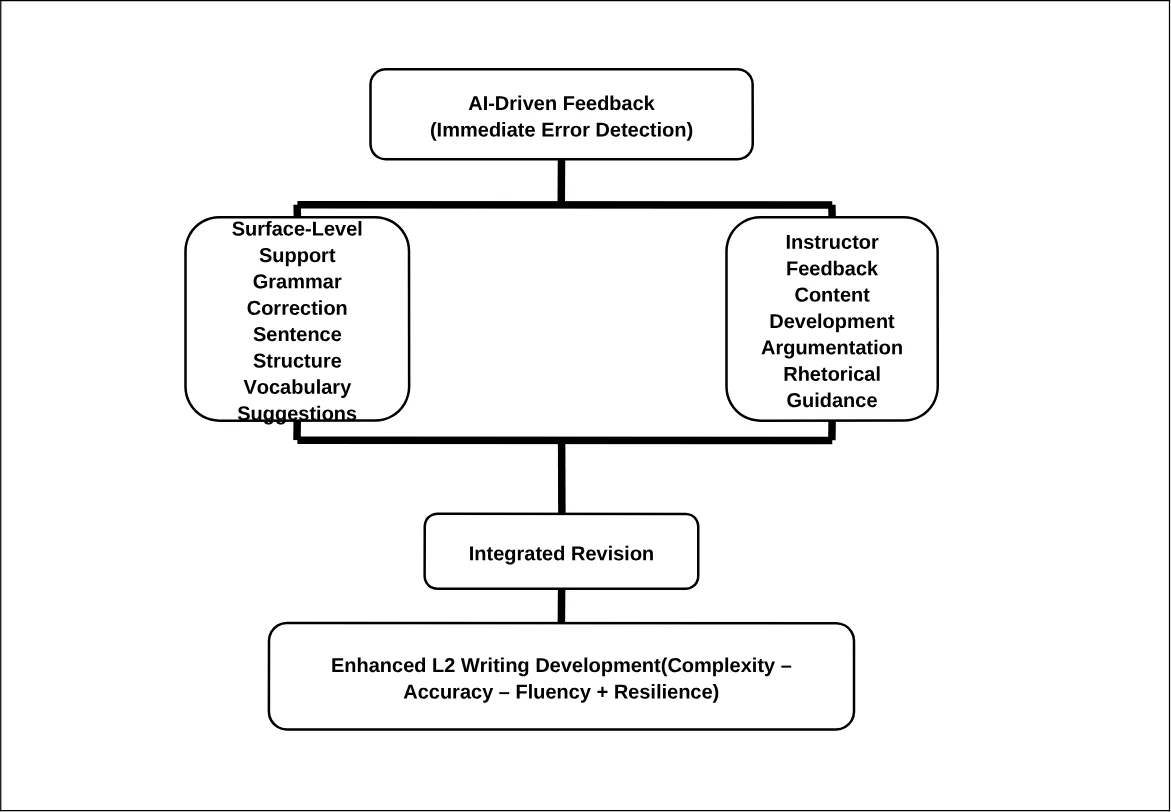
According to the results of this study, a hybrid feedback model, known as the Synergy Model, is suggested to streamline the teaching of writing in AI-based learning settings. The model uses the advantages of AI feedback and the pedagogical skills of human teachers.
Within this framework, AI systems are used to do the routine jobs like detecting grammatical mistakes and typing, making lexical suggestions, and structural feedback. Automating these superficial corrections helps to decrease the number of hours that teachers spend on instruction and allows learners to get instant feedback on the writing process (Mehmood & Aziz, 2025).
The human teachers, on the other hand, are concerned with more elevated levels of writing, such as, statement development, content richness, rhetoric structure and awareness of the audience. This separation of teaching responsibilities enables teachers to give more time to conceptual and critical factors that need the input of human beings and the contextual knowledge.
The Synergy Model thus focuses on cooperation between artificial intelligence and human teaching and not rivalry between the two. Having incorporated both types of feedback into the process of writing, the learners can enjoy the advantage of having a corrective feedback immediately and at the same time, they can have the advanced writing skills professionally mentored.
Figure 3 shows the offered Synergy Model of hybrid feedback, which shows how AI-driven and instructor-led feedback can be used in the writing process as complementary ones. The AI systems assist in the work on the surface of the linguistic tasks, which are the correction of grammar and the suggestion of vocabulary, and the teachings of advanced rhetorical structure and argument construction are given by instructors. When put together, these sources of feedback build up an integrated revision process where the learners are provided with the immediate corrective input and also the pedagogically informed guidance. This cooperative method leads to a higher level of linguistic accuracy, as well as to a level of critical thinking and discourse competence. Consequently, the learners not only improve their writing performance, but also their psychological involvement and strength.
6. Conclusion and Implications
This study has explored the impact of AI-based feedback on the acquisition of second language (L2) writing skills in a small-group learning context, both in terms of language performance and psychological involvement. The results show that the use of generative AI feedback during the writing process can make a significant contribution to the performance of learners in writing, specifically, complexity, accuracy, and fluency. Students who tested AI-based feedback had better gains in grammatical accuracy and fluency in written expression, as well as the tendency to be more interested in successive revision. The findings also indicate that AI-assisted learning settings have the potential to affect psychological aspects of the learning process, such as the ability to write self-efficacy, engage mindfully, and resilience. The AI tools provide the possibility of constant revision and further thought about the writing strategies as they allow learners to get feedback immediately and in a personalized way. This reciprocal process seems to enhance metacognitive consciousness and facilitate the acquisition of self-directed learning patterns, which are the keys to success in long term writing gains.
Pedagogically, there are particular opportunities associated with the possibilities of the AI-powered feedback integration in improving L2 writing teaching, especially in the small class setting, where the instructor is usually limited in time to offer feedback to the learners in a personalized manner. The AI systems have the ability to assist the instructors in providing the routine linguistic corrections, such as grammar and lexical mistakes, and leave the teachers more concentrated on the higher-order elements of the writing process, including argumentation, discourse structure, and the process of rhetorical development. The symbiotic interaction between AI systems and human instructors forms the hybrid model of instruction where technology will increase the level of feedback and at the same time the level of expertise of human instructors will make a difference in terms of depth and contextual relevance. Simultaneously, the results emphasize the need to achieve AI literacy within the group of learners. Students need to be provided with the appropriate skills which will help them to be more critical of AI-generated recommendations, meaningfully interpret feed-back and avoid an active reliance on automated corrections. Emotional learning about responsible and considered use of AI tools can contribute to making learners adopt a more balanced attitude where AI will act as a learning supplement, but not a replacement of personal thought.
Although positive results were obtained in this study, there are a number of limitations that one should recognize. The number of participants used is also relatively small, so the results can be applied to a larger educational setting. Small-group designs can be useful in understanding the learning experience of individuals but do not necessarily mirror the heterogeneity of learner behavior occurring in larger groups. Moreover, the intervention time was shortened to ten sessions of instruction, which does not allow measuring the impact of AI-based feedback on the development of writing in the long term. The writing skills develop over a long period of time through the performance and teaching, and the longer periods of the studies would be necessary to evaluate whether the achieved changes in writing performance and engagement can be maintained in the long term. Also, the research was carried out on intermediate level learners in a certain institutional setting and other levels of proficiency or learning setting might yield different results.
The findings should be extended by creating a scope of investigation in various directions in the future research. More extensive research with a variety of learners and learning situations would also give a better perspective on the effectiveness of AI-assisted feedback in various learning situations. The longitudinal research design would be especially useful in the case of studies concerning the impact of continuous exposure to AI feedback on the development of writing in the long term. It may also be possible in the future to conduct further research on how AI-feedback is affected by writing genres such as narrative, argumentative, or expository writing because cognitive and rhetorical demands of the given genre may affect the manner in which learners comprehend and use feedback. The other potential contributor to the improvement of collaborative learning and reflective engagement is the incorporation of AI feedback with peer review, which can also be considered a promising direction. The study of these composite sets of feedback models may help to obtain a better understanding of how AI technologies can be embedded successfully in the context of the wider writing pedagogy.
In general, the results of the present study can be added to the ever-expanding AI-assistance in language learning research since they can illustrate how the role of generative AI feedback can be positively implemented to enhance not only linguistic performance but also the interest of the learner in the L2 writing situation. Being applied carefully and accompanied by relevant teaching strategies, AI-driven feedback has the potential to supplement the long-standing teaching methods and contribute to the development of more likely and personalized learning experiences. As educational technologies keep on improving, creating pedagogical models that incorporate human experience and smart systems will be necessary in order to assist in the future generation of language learners in more digital learning environments.
Reference
Abdi Tabari, M., Kushki, A., & Wang, Y. (2025). Comparing the effects of teacher- and AI-mediated corrective feedback on accuracy, complexity, and quality in L2 written narratives. Computer Assisted Language Learning, 1–24. https://doi.org/10.1080/09588221.2025.2561608
Amani, N., & Bisriyah, M. (2025). University Students’ Perceptions of AI-Assisted Writing Tools in Supporting Self-Regulated Writing Practices. IJELTAL (Indonesian Journal of English Language Teaching and Applied Linguistics), 10(1), 91. https://doi.org/10.21093/ijeltal.v10i1.1942
Barrios-Beltran, D. (2025). Exploring the efficacy of ChatGPT-4 feedback in second language Spanish writing. System, 133, 103771. https://doi.org/10.1016/j.system.2025.103771
Benali, A. (2021). The Impact of Using Automated Writing Feedback in ESL/EFL Classroom Contexts. English Language Teaching, 14(12), 189. https://doi.org/10.5539/elt.v14n12p189
Boud, D., & Molloy, E. (Eds.). (2012). Feedback in Higher and Professional Education: Understanding it and doing it well (0 ed.). Routledge. https://doi.org/10.4324/9780203074336
Chen, Y., & Shim, J. (2026). Teacher support and L2 writing engagement in GenAI-integrated classrooms: A serial mediation model of growth mindset and needs satisfaction. Frontiers in Psychology, 17, 1762106. https://doi.org/10.3389/fpsyg.2026.1762106
Gerlich, M. (2025). AI Tools in Society: Impacts on Cognitive Offloading and the Future of Critical Thinking. Societies, 15(1), 6. https://doi.org/10.3390/soc15010006
Isotalus, P., Eklund, M., & Karppinen, K. (2025). Artificial intelligence as a feedback provider in practicing public speaking. Communication Teacher, 39(1), 78–85. https://doi.org/10.1080/17404622.2024.2407910
Khasanah, S. (2025). Effectiveness of AI Real-Time Feedback Assistance in Improving Writing Skills. Belantika Pendidikan, 8(1), 40–48. https://doi.org/10.47213/bp.v8i1.422
Khodabandeh, F. (2026). The Impact of AI-Assisted vs. Instructor-Provided Feedback on Awe, Autonomy, and Letter Writing Skills in Introverted and Extroverted EFL Learners in Online Learning Environments. Journal of Educational Computing Research, 64(3), 658–691. https://doi.org/10.1177/07356331251412228
Khojasteh, L., Soori, A., & Javed, F. (2025). Comparing teacher E-feedback, AI feedback, and hybrid feedback in enhancing EFL writing skills. Technology in Language Teaching & Learning, 7(3), 102626. https://doi.org/10.29140/tltl.v7n3.102626
Kumar, Dr. S. K., & Thiyagarajan, Dr. P. (2024). Enhancing L2 Writing through Scaffolding Concept: A Study With Reference To Rural Students in a Government College of Thanjavur, Tamil Nadu. International Journal of Social Science and Human Research, 07(11). https://doi.org/10.47191/ijsshr/v7-i11-34
Lai, Z. C.-C. (2025). The Impact of AI-Assisted Blended Learning on Writing Efficacy and Resilience: International Journal of Computer-Assisted Language Learning and Teaching, 15(1), 1–21. https://doi.org/10.4018/IJCALLT.377174
MacFarlane, E., & Spring, R. (2024). Automated feedback on fluency and complexity measures for L2 academic paragraphs: Student perspectives and impacts on human-rater scores. Technology in Language Teaching & Learning, 6(3), 1536. https://doi.org/10.29140/tltl.v6n3.1536
Mehmood, H., & Aziz, R. (2025). THE ROLE OF AI-BASED FEEDBACK IN ENHANCING ACADEMIC WRITING SKILLS OF UNIVERSITY STUDENTS:AN APPLIED LINGUISTICS PERSPECTIVE. Contemporary Journal of Social Science Review, 3(3), 2209–2214. https://doi.org/10.63878/cjssr.v3i3.1245
Solak, E. (2024). Examining Writing Feedback Dynamics from ChatGPT AI and Human Educators: A Comparative Study. Pedagogika-Pedagogy, 96(7), 955–969. https://doi.org/10.53656/ped2024-7.05
Tajik, A. (2025). AI-Assisted EFL Writing: The Efficacy of an AI-Powered Paraphrasing Tool in Skill Improvement and Motivational Enhancement. In Review. https://doi.org/10.21203/rs.3.rs-6848571/v1
Tang, X. (2024). An empirical study on the effects of AI-generated feedback on English writing. 国际化教育科学与理论, 3(9), 18. https://doi.org/10.26789/ijest.v3i9.2010
Wang, C., Li, Z., & Bonk, C. (2024). Understanding self-directed learning in AI-Assisted writing: A mixed methods study of postsecondary learners. Computers and Education: Artificial Intelligence, 6, 100247. https://doi.org/10.1016/j.caeai.2024.100247
Wang, P., Liu, T., Yang, Y., & Xiang, X. (2025). Optimizing self‐regulated learning: A mixed‐methods study on GAI ’s impact on undergraduate task strategies and metacognition. British Journal of Educational Technology, bjet.70018. https://doi.org/10.1111/bjet.70018
Wang, R., Yin, Y., & Cao, Y. (2026). A LLM-based pedagogical framework for active, inquiry-based and adaptive learning in L2 writing. Computers and Education: Artificial Intelligence, 10, 100535. https://doi.org/10.1016/j.caeai.2025.100535
Xu, J. (2025). Harnessing AI in academic writing: The complex interplay of AI literacy and self-directed learning among university L2 learners. System, 135, 103855. https://doi.org/10.1016/j.system.2025.103855
Yang, N., Gao, N., & Zhang, T. (2025). Artificial Intelligence in EFL Writing Enhancement: A Study on Chatbot Feedback and Learner Autonomy. International Journal of Web-Based Learning and Teaching Technologies, 20(1), 1–40. https://doi.org/10.4018/IJWLTT.390442
Zhang, Y. (2024). Incorporating ChatGPT as an automated written corrective feedback tool into L2 writing class. Journal of Language Teaching, 4(4), 22–34. https://doi.org/10.54475/jlt.2024.024
Zhang, Z., Aubrey, S., Huang, X., & Chiu, T. K. F. (2025). The role of generative AI and hybrid feedback in improving L2 writing skills: A comparative study. Innovation in Language Learning and Teaching, 1–19. https://doi.org/10.1080/17501229.2025.2503890
CITE THIS ARTICLE
Sultana, S. (2026). Beyond Blended Learning: Effects of AI-Driven Feedback on L2 Writing Development. https://www.researchbysayma.com/article/b61e4ea1-1089-4618-b254-e817694765ab
S. Sultana, “Beyond Blended Learning: Effects of AI-Driven Feedback on L2 Writing Development,” 2026. [Online]. Available: https://www.researchbysayma.com/article/b61e4ea1-1089-4618-b254-e817694765ab
Sultana, S. (2026) ‘Beyond Blended Learning: Effects of AI-Driven Feedback on L2 Writing Development’. Available at: https://www.researchbysayma.com/article/b61e4ea1-1089-4618-b254-e817694765ab
Sultana, Sayma. “Beyond Blended Learning: Effects of AI-Driven Feedback on L2 Writing Development.” 2026, https://www.researchbysayma.com/article/b61e4ea1-1089-4618-b254-e817694765ab.
Sayma Sultana. “Beyond Blended Learning: Effects of AI-Driven Feedback on L2 Writing Development.” (2026). https://www.researchbysayma.com/article/b61e4ea1-1089-4618-b254-e817694765ab.
Sultana S. Beyond Blended Learning: Effects of AI-Driven Feedback on L2 Writing Development. 2026. https://www.researchbysayma.com/article/b61e4ea1-1089-4618-b254-e817694765ab
@misc{article_b61e4ea110894618b254e817694765ab,
  title = {Beyond Blended Learning: Effects of AI-Driven Feedback on L2 Writing Development},
  author = {Sayma Sultana},
  year = {2026},
  url = {https://www.researchbysayma.com/article/b61e4ea1-1089-4618-b254-e817694765ab},
}
TY - GEN AU - Sayma Sultana TI - Beyond Blended Learning: Effects of AI-Driven Feedback on L2 Writing Development PY - 2026 UR - https://www.researchbysayma.com/article/b61e4ea1-1089-4618-b254-e817694765ab ER -